



Eight Production Lines,
One Team
Games come first, and everything else exists because live titles and the businesses behind them need it: applications, first releases, back-end services and rescue work on projects that arrived half-built.
 01

Mobile Game Development
Full production of casual, hyper-casual and mid-core titles for iOS and Android, from the first core loop to the store build.
Details
 02

Prototyping & Soft Launch
Fast playable prototypes, marketability tests and a soft launch that answers whether the title deserves a full budget.
Details
 03

Game Art, UI & Animation
Concept art, characters, environments, HUD, store screens and the whole asset pipeline that production runs on.
Details
 04

LiveOps, Content & Support
Events, seasons, balancing passes and crash response for titles that are already earning.
Details
 05

Mobile Application Development
Business applications built with the same discipline as our games: booking, client portals, internal tools and e-commerce.
Details
 06

MVP Development for Startups
A first version that answers one question with real users, built in weeks and instrumented from the first release.
Details
 07

Back End, API & Integrations
Game servers, player profiles, leaderboards, payments, ad mediation and every third-party service in between.
Details
 08

Porting, Audit & Rescue
Taking over projects another team left behind, porting between platforms and auditing what is worth keeping.
Details
Mobile Game Development
Games are the main thing this studio does. Work starts with a design document that fixes the core loop, the progression and the economy, moves into a playable prototype that has to prove itself before production money is spent, and ends with a store build that has analytics, ads and purchases already wired in. Everything in between is produced by one team: design, art, animation, code, sound and QA.
- Game design document, core loop and economy modelling
- Playable prototype and CPI test before full production
- Unity and Godot builds for iOS and Android
- Rewarded ads, in-app purchases and analytics from day one
Prototyping & Soft Launch
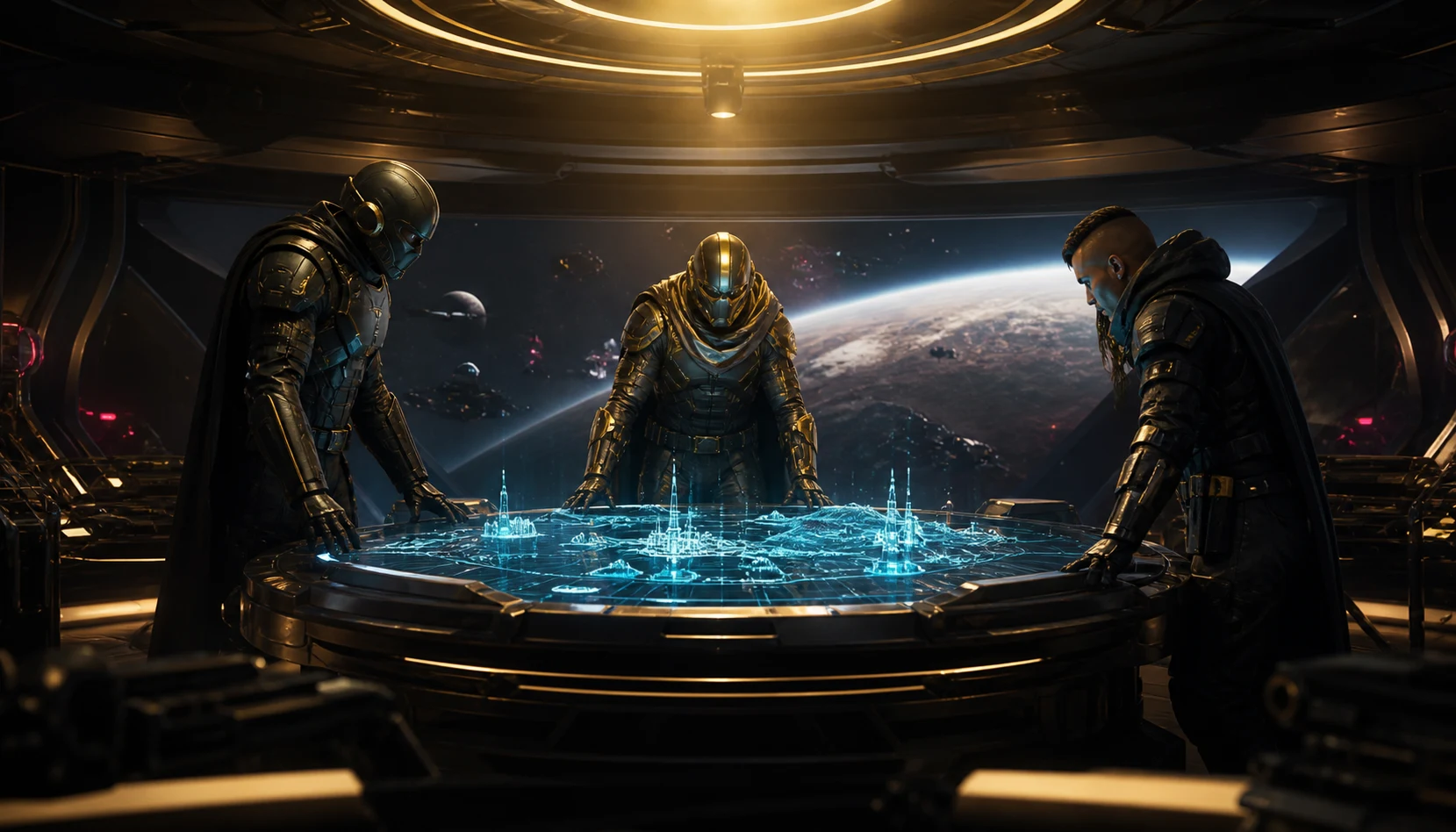
Most concepts should be killed cheaply, and the only honest way to find out which ones is to build them. We produce playable prototypes in weeks, run creatives and install-cost tests against them, and read the retention curve before anyone commits to a year of production. The prototypes that survive already contain the architecture the full game will grow into.
- Playable prototype in two to four weeks
- Marketability creatives and install-cost testing
- Soft launch in selected regions with cohort reporting
- Go or no-go recommendation in writing, with the data behind it

Game Art, UI & Animation
Art is produced against a written style guide and a technical budget, not against taste alone. Concept art, character and environment sets, animation, VFX, HUD and menu design, icons and store creatives all come out of the same pipeline, sized and compressed for the devices your audience actually plays on.
- Concept art, style guide and asset naming conventions
- 2D and 3D characters, environments and props
- HUD, menus, onboarding and store screen design
- Skeletal animation, VFX and performance budgets per device tier

LiveOps, Content & Support
A released game is a schedule, not a finish line. We run event calendars, seasonal content, balance passes and offer tuning against real cohort data, and we keep the build compliant with store policy and operating system changes. Crash response runs under an agreed reaction window rather than whenever someone gets to it.
- Event calendars, seasons and limited-time content
- Economy and difficulty balancing from cohort data
- Store policy, SDK and OS compatibility updates
- Crash monitoring with an agreed response window
Mobile Application Development
Alongside games we build applications with a clear job to do. Customer booking apps, service management platforms, subscription products, client portals, e-commerce and internal tools for field teams. The same standards apply: a defined user journey, a clean architecture and a back end another team could take over without an excavation.
- Booking, ordering and service management applications
- Internal tools, staff apps and operational dashboards
- Subscription products, portals and mobile commerce
- Offline modes, push notifications and secure sign-in
MVP Development for Startups
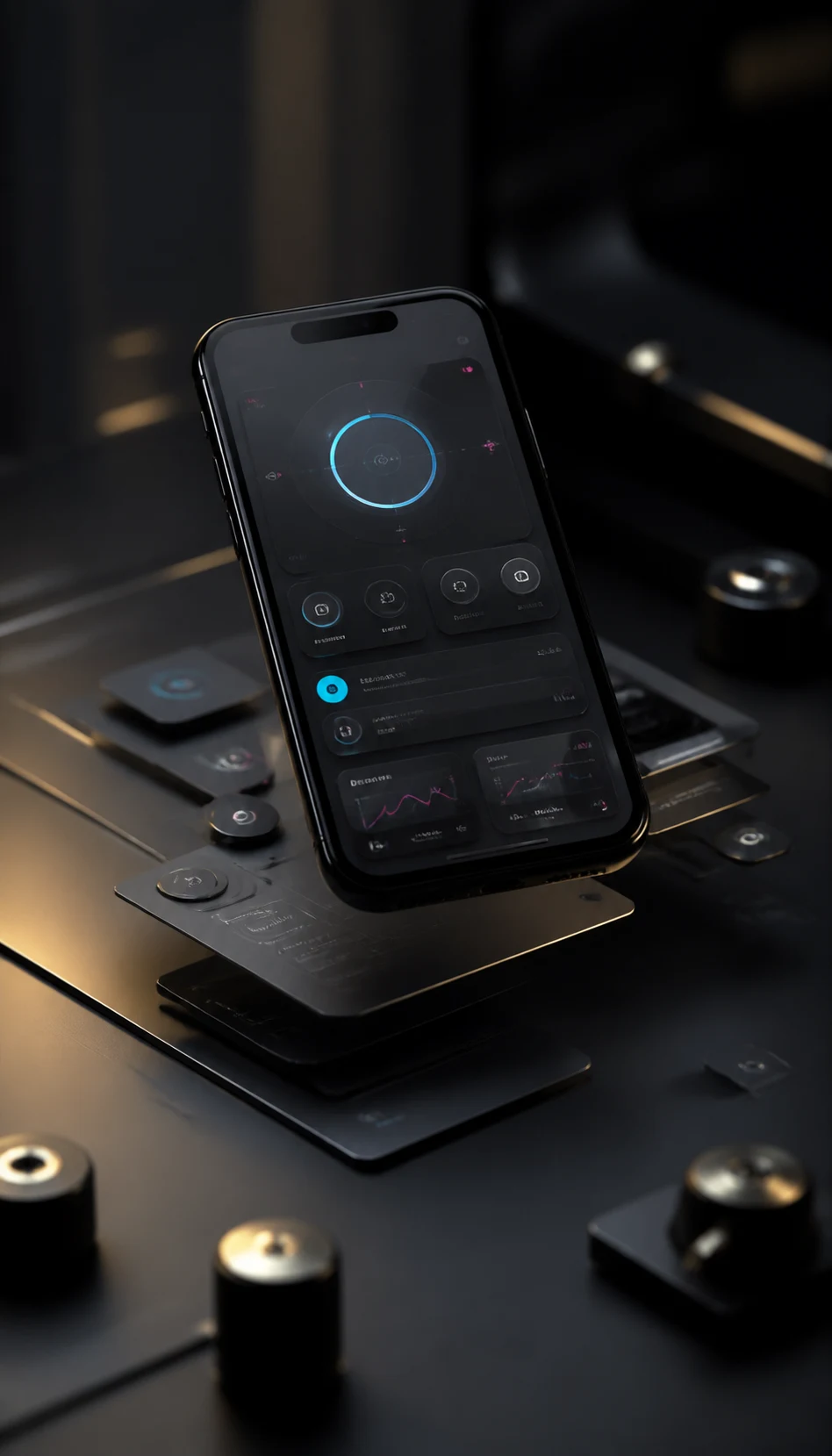
For founders we build the smallest product that can prove or disprove the assumption the business rests on. Scope is cut in a workshop before estimating, the build ships to both stores, and event tracking is configured before launch so week one produces evidence instead of opinions.
- Scoping workshop and written product definition
- Clickable prototype for user and investor conversations
- Store-ready iOS and Android build of the core journey
- Analytics, funnels and a written path to the full product

Back End, API & Integrations
Multiplayer sessions, player profiles, leaderboards, remote configuration, live event delivery, purchase validation, ad mediation, attribution and analytics. Each integration ships with retry logic, failure handling and monitoring, because integrations fail quietly and always during a campaign.
- Game servers, matchmaking and leaderboards
- Remote config and live event delivery without a store update
- Purchase validation, subscriptions and ad mediation
- Attribution, analytics and custom REST or GraphQL APIs

Porting, Audit & Rescue
A large share of our work arrives half-built. We start with a technical and art audit, tell you plainly which parts are worth keeping, and then either continue the project or rebuild the parts that cannot be saved. Porting between engines, platforms and store requirements is handled the same way.
- Technical and art audit with a written verdict
- Engine, platform and store requirement porting
- Performance rescue for low-end device tiers
- Handover documentation your next team can actually use

Before You Ask
For A Quote
Scope, cost, ownership and support, answered in advance so the first reply can be about your title instead of our terms.
What does a mobile game cost to build?
It depends on the genre, the depth of the meta layer and whether the title needs servers, and we are not going to pretend a single number exists. That is why there is no price list here. After the first call and a scoping session you receive an individual written estimate with fixed stages, deliverables and dates for your specific concept.
How long does production take?
A playable prototype is usually two to four weeks. A hyper-casual title can be in stores within a couple of months. Casual games with a meta layer typically run four to nine months, and mid-core titles with servers and live operations run longer. Scoping gives you a realistic schedule before you commit to anything.
Do you work on existing games or only new ones?
Both, and a large share of our work is projects that started somewhere else. We begin with a technical and art audit, give you a written verdict on what is worth keeping, and then either continue the project or rebuild the parts that cannot be saved.
Who owns the game, the code and the art?
You do. Source code, project files, art sources and documentation belong to you from the first commit, and store and ad network accounts stay in your name. Handover documentation is part of every delivery rather than an extra invoice.
Which engines do you use?
Unity for most titles, Godot for lightweight 2D projects, and native Swift or Kotlin when a product genuinely needs it. Applications are built with Flutter or native code depending on the roadmap. The choice is made during scoping and the reasoning is written down.
Can you handle monetisation and ads?
Yes. Rewarded video, interstitials, ad mediation, in-app purchases, subscriptions, offer design and purchase validation are part of the standard build, and the economy is modelled during design rather than bolted on before release.
What happens after the game is released?
Under a LiveOps agreement we run the event calendar, seasonal content, balance passes and offer tuning from real cohort data, keep the build compliant with store and operating system changes, and respond to crashes within the agreed window.
Do you sign NDAs?
Yes. We can work under your agreement or send ours before the first detailed conversation about the concept.
Do you consider advertising, partnerships or joint projects?
We do. Advertising placements, co-development, publishing partnerships and joint projects are all handled case by case. Send your goals through the contact form and you will receive a tailored proposal built around your budget.

Three Ways To Work With Us


Fixed Scope Build
A defined product, a written scope, a fixed price per stage. Best for prototypes, first releases and applications where the destination is already agreed.
- Written scope and stage plan
- Fixed price per stage
- Installable build every sprint


Dedicated Team
Designers, artists, engineers and QA assigned to your product monthly. Best for live titles and roadmaps that will change more than once.
- One unit, one roadmap
- Monthly capacity, quarterly planning
- Direct access to the people building it


LiveOps Retainer
For products already earning. Content calendar, balancing, store compliance and an agreed crash response window every month.
- Agreed crash response window
- Scheduled events and content drops
- Monthly cohort and revenue reporting
Every Budget Is Quoted Separately
There is no price list on this website, and there is a reason for it. A hyper-casual prototype, a live mid-core title and an internal business application have nothing in common in scope, team size or support model. Tell us what you want to build and you will get an individual written estimate with stages, deliverables and dates.